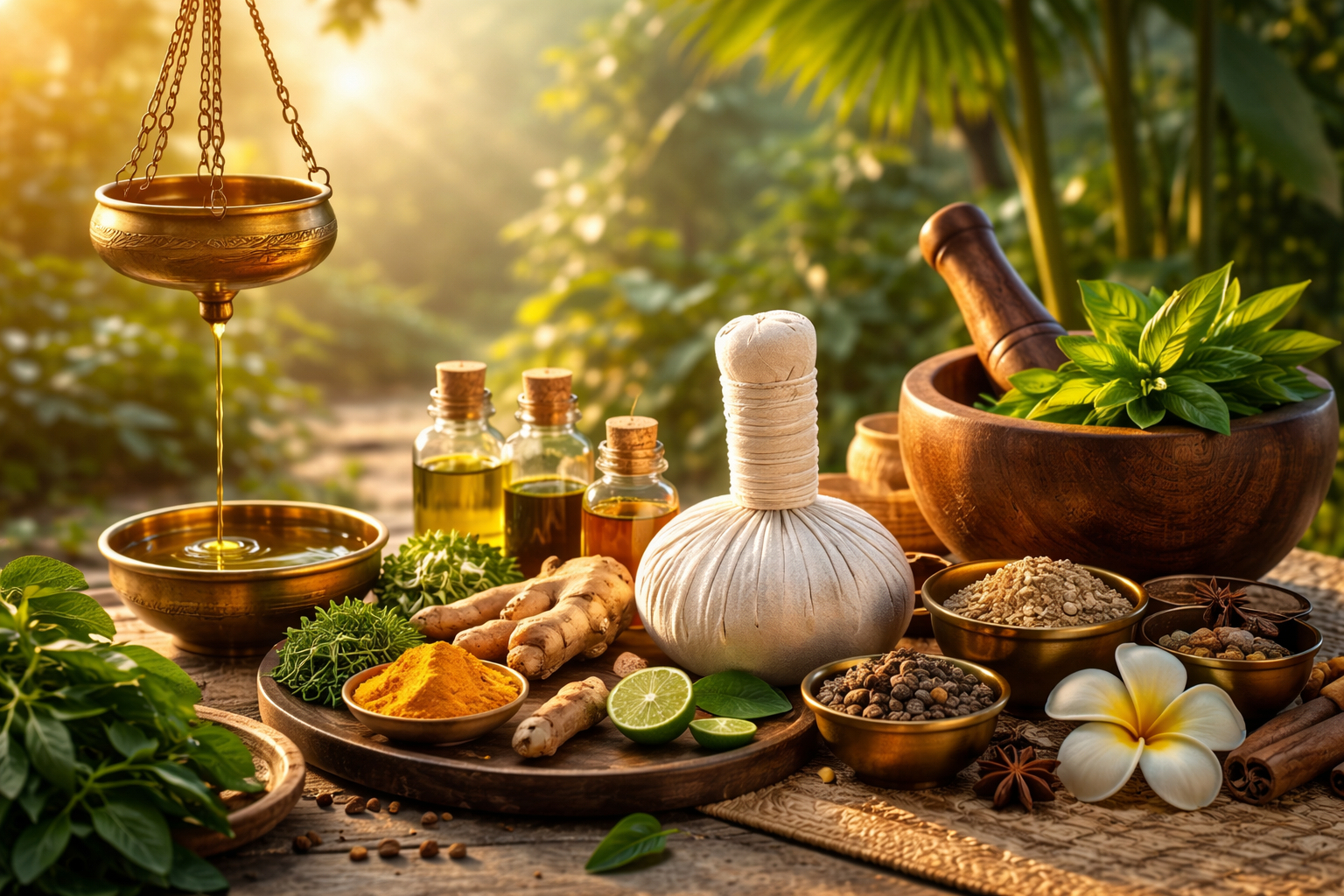
Spinal Health: Ayurvedic Treatments and Yoga for a Healthy Spine

Spinal Health: How Ayurveda and Yoga Support a Strong and Flexible Spine
Understanding Spinal Health and Its Importance
The spine is one of the most important structures in the human body. It provides structural support, allows movement, and protects the spinal cord — the central communication pathway between the brain and the rest of the body. A healthy spine allows the body to move freely, maintain balance, and perform everyday activities without pain or discomfort.
In modern lifestyles, however, spinal health has become a growing concern. Long hours of sitting at desks, poor posture, lack of physical activity, and increased stress levels often contribute to chronic back pain and spinal problems. These issues are now among the most common health complaints worldwide.
According to global health studies, lower back pain is one of the leading causes of disability globally, affecting millions of people every year.
Common spinal health problems include:
- Chronic lower back pain
- Neck stiffness and cervical pain
- Sciatica and nerve compression
- Herniated or slipped discs
- Degenerative disc disease
- Postural imbalances
- Muscle tightness and inflammation
While conventional treatments often focus on pain management through medication or physical therapy, many individuals are now exploring holistic approaches such as Ayurveda and yoga for spinal health.
Ayurveda offers a natural and integrative approach that addresses the root cause of spinal disorders rather than simply treating the symptoms.
Spinal Health from an Ayurvedic Perspective
In Ayurveda, spinal disorders and back pain are commonly associated with an imbalance of Vata dosha. Vata is the biological energy responsible for movement, circulation, and nerve impulses throughout the body.
When Vata becomes aggravated due to stress, improper diet, excessive physical strain, or lifestyle imbalance, it can disrupt the normal functioning of the nervous system and musculoskeletal structure.
Symptoms of Vata imbalance related to spinal health may include:
- Joint stiffness and cracking sounds
- Dryness in joints and tissues
- Muscle spasms and tightness
- Reduced flexibility
- Shooting nerve pain or sciatica
- Chronic lower back discomfort
In some cases, Pitta imbalance may also contribute to inflammation and burning sensations in the joints, while Kapha imbalance may cause heaviness, stiffness, and restricted movement.
Ayurvedic treatment focuses on restoring balance between these doshas while strengthening the muscles, ligaments, and nerves that support the spine.
Rather than treating the spine in isolation, Ayurveda works to restore harmony within the entire body system.
Ayurvedic Therapies for Back Pain and Spinal Health
One of the most effective aspects of Ayurvedic medicine is its wide range of therapeutic treatments designed to improve circulation, nourish tissues, and relieve musculoskeletal pain.
Many Ayurvedic wellness programs include specialized therapies that target spinal health and nervous system balance.
Kati Vasti Therapy
Kati Vasti is one of the most well-known Ayurvedic treatments for lower back pain.
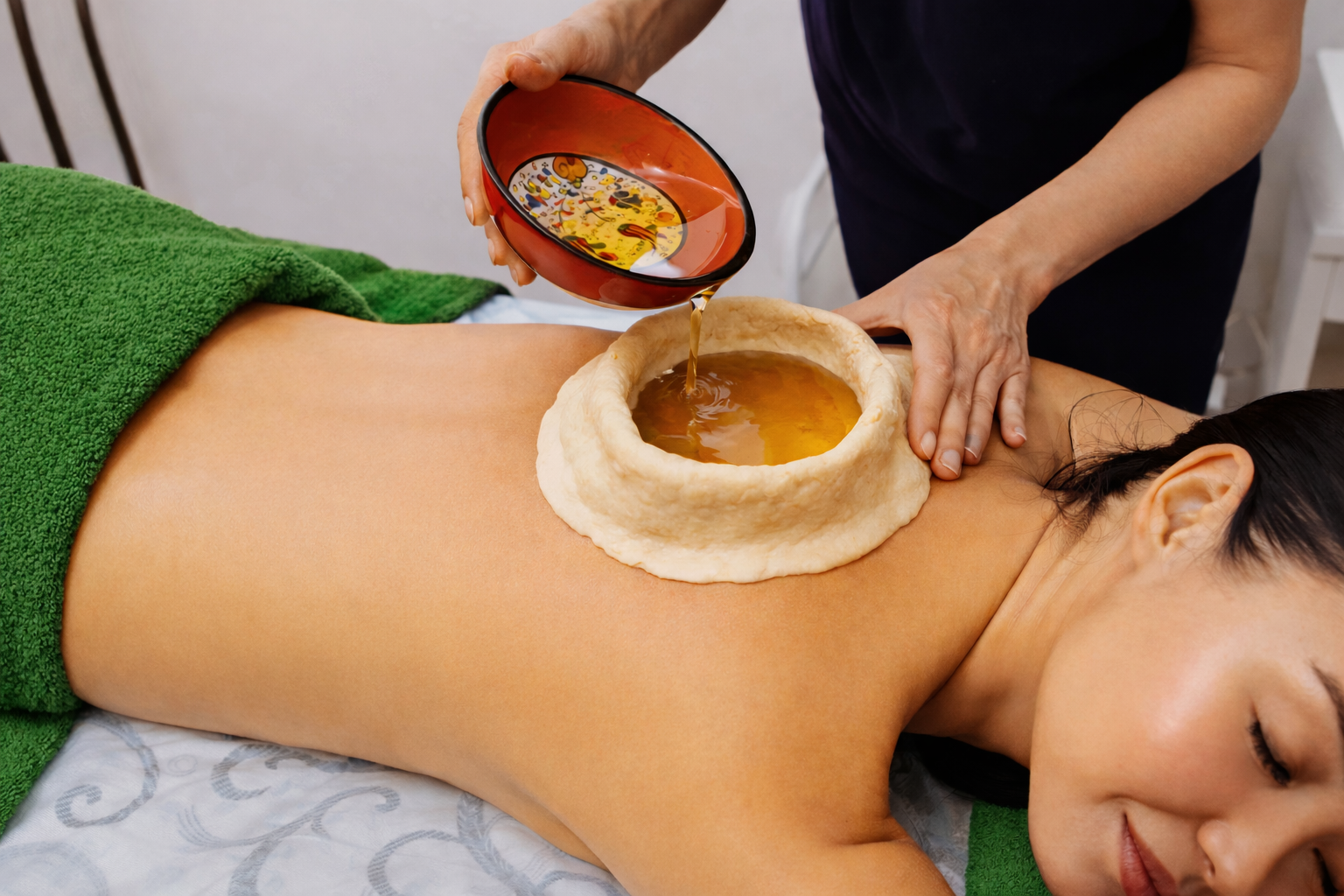
During this therapy, a dough ring made from herbal flour is placed on the lower back area. Warm medicated oil is then poured into this ring and retained for a specific period of time. The heat and medicinal properties of the oil penetrate deep into the muscles and tissues surrounding the spine.
Benefits of Kati Vasti include:
- Relief from chronic lower back pain
- Reduced muscle stiffness and tension
- Improved flexibility in the lumbar region
- Nourishment of spinal nerves and tissues
- Increased circulation to affected areas
This therapy is commonly recommended for conditions such as sciatica, lumbar spondylosis, and muscle spasms.
Kizhi Therapy
Kizhi therapy involves the use of heated herbal bundles filled with medicinal herbs and powders.

These herbal bundles are heated in herbal oils and applied to the body through rhythmic massage techniques. The warmth and herbal ingredients help relax muscles, stimulate circulation, and reduce inflammation.
Kizhi therapy may help:
- Relieve muscle stiffness
- Reduce joint pain and inflammation
- Improve blood circulation
- Promote relaxation and tissue healing
This therapy is often included in Ayurvedic treatment programs for musculoskeletal disorders.
Pizhichil Therapy
Pizhichil is another traditional Ayurvedic therapy used for musculoskeletal and neurological conditions.
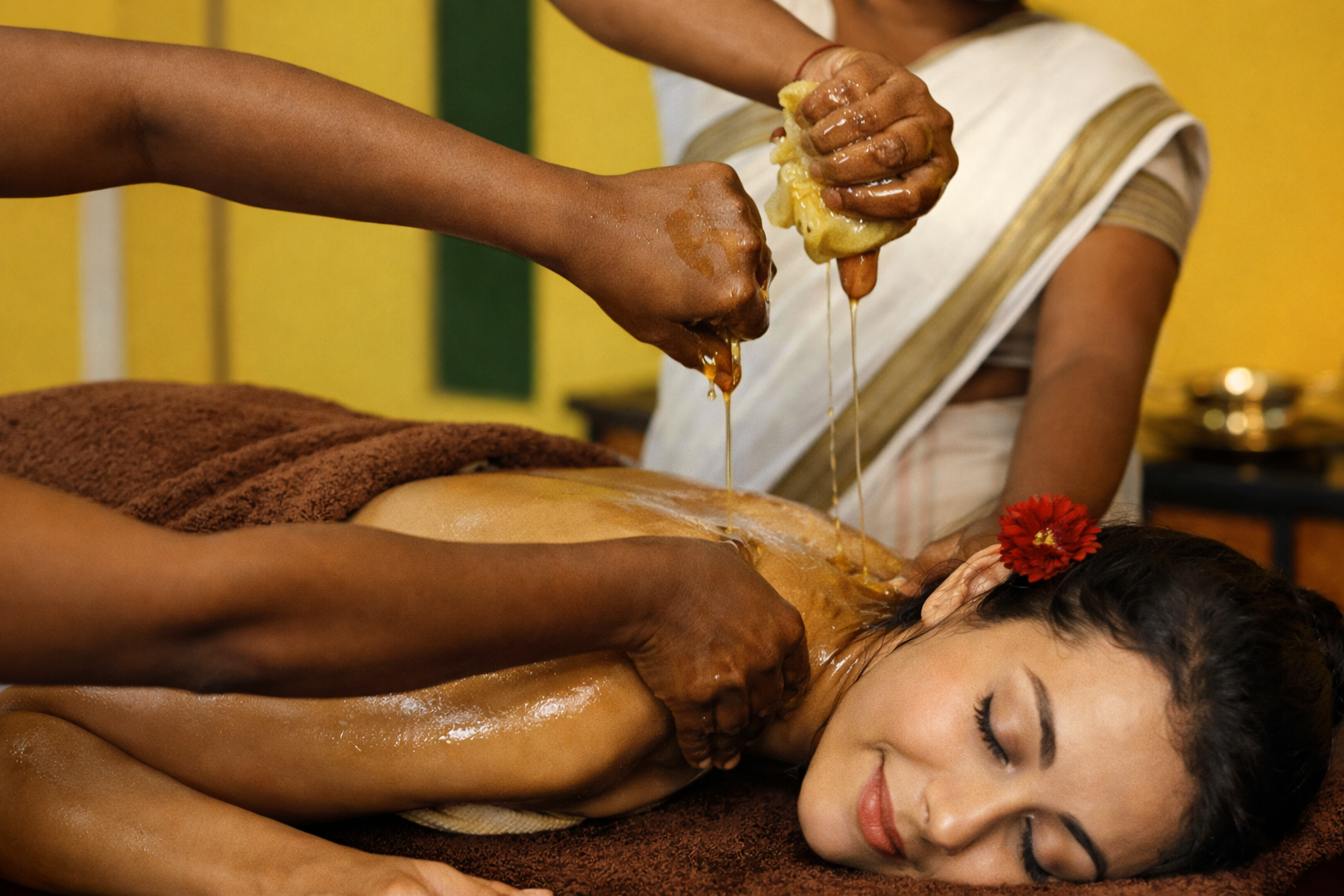
In this treatment, warm herbal oil is poured continuously over the body while therapists perform synchronized massage movements. The combination of warm oil and gentle massage helps relax muscles and improve circulation.
Pizhichil therapy can support:
- Muscle relaxation
- Joint flexibility
- Improved circulation
- Reduction in chronic pain and stiffness
This therapy is often recommended for individuals experiencing chronic spinal discomfort.
Panchakarma Detox for Spinal Disorders
Ayurveda emphasizes that many chronic health problems are caused by the accumulation of toxins known as Ama.
These toxins form when digestion becomes weak or when lifestyle habits disrupt the body’s natural balance. Over time, toxins can accumulate in tissues and joints, contributing to inflammation and pain.
Panchakarma therapy is a traditional Ayurvedic detoxification process designed to remove these toxins from the body.
A Panchakarma program may include therapies such as:
- Abhyanga (herbal oil massage)
- Swedana (herbal steam therapy)
- Basti (medicated enemas)
- Nasya therapy (nasal cleansing)
These treatments help eliminate toxins while restoring balance between the body’s doshas.
Benefits of Panchakarma for spinal health may include:
- Reduced inflammation in joints and tissues
- Improved circulation and mobility
- Strengthened nervous system
- Reduced stiffness and pain
Many Panchakarma programs are conducted at Ayurvedic wellness retreats under the supervision of experienced Ayurvedic doctors.
The Role of Yoga in Maintaining Spinal Health
Yoga plays an essential role in supporting spinal flexibility and strength. Through gentle stretching, controlled movements, and breathing techniques, yoga helps maintain spinal alignment and improve posture.
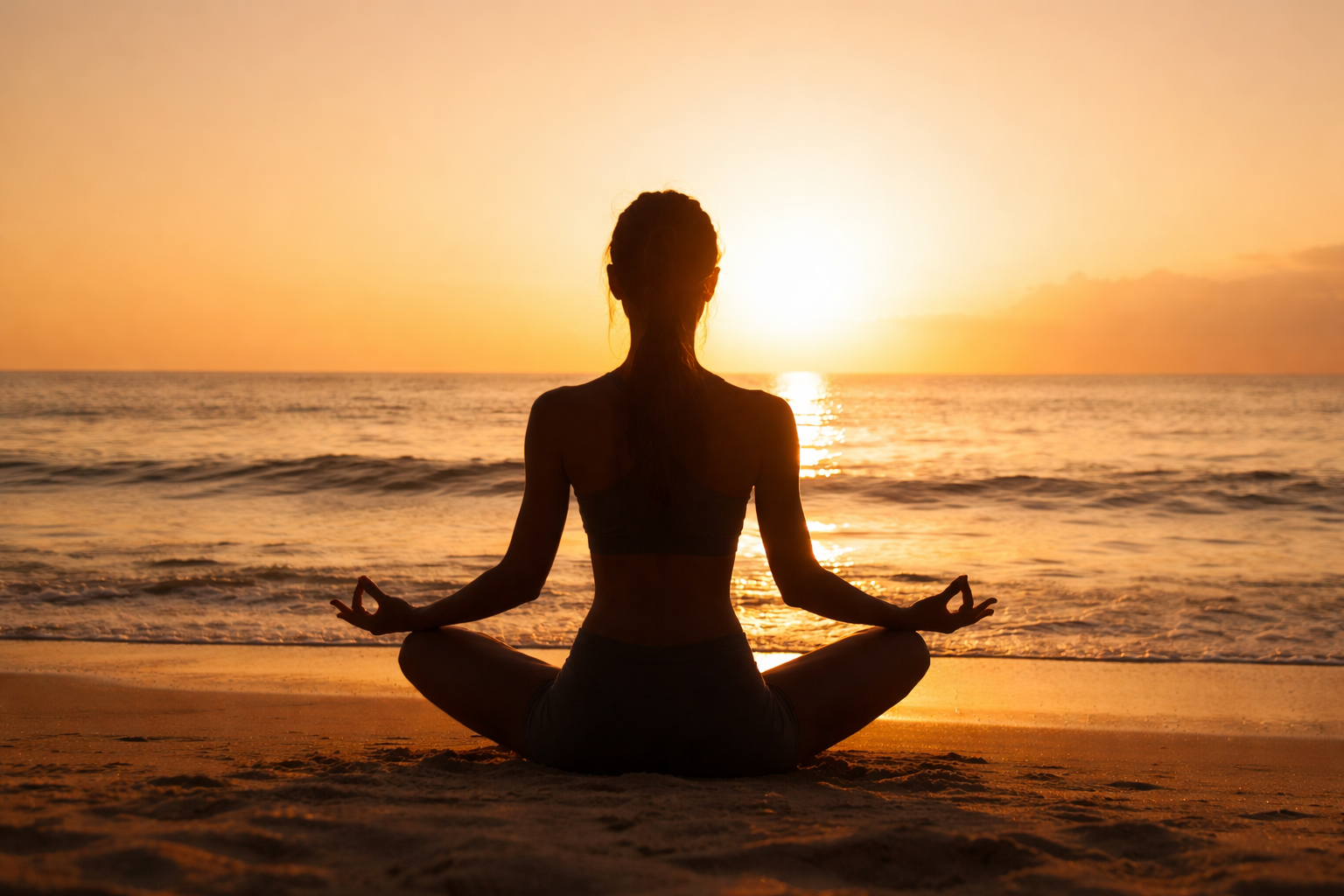
Regular yoga practice can provide several benefits for spinal health, including:
- Increased flexibility of the spine
- Strengthening of back and core muscles
- Improved posture and alignment
- Reduced tension in muscles and joints
- Better stress management
Some yoga poses that are particularly beneficial for spinal health include:
- Cat–Cow Pose (improves spinal flexibility)
- Cobra Pose (strengthens the lower back)
- Child’s Pose (relieves spinal pressure)
- Bridge Pose (strengthens spinal muscles)
- Downward Facing Dog (improves posture and flexibility)
These gentle movements help maintain mobility and prevent stiffness in the spine.
Ayurvedic Diet for Spinal Health
Diet plays a crucial role in Ayurvedic healing.
Individuals experiencing spinal problems are often advised to follow a Vata-balancing diet, which focuses on warm, nourishing foods that support digestion and tissue health.
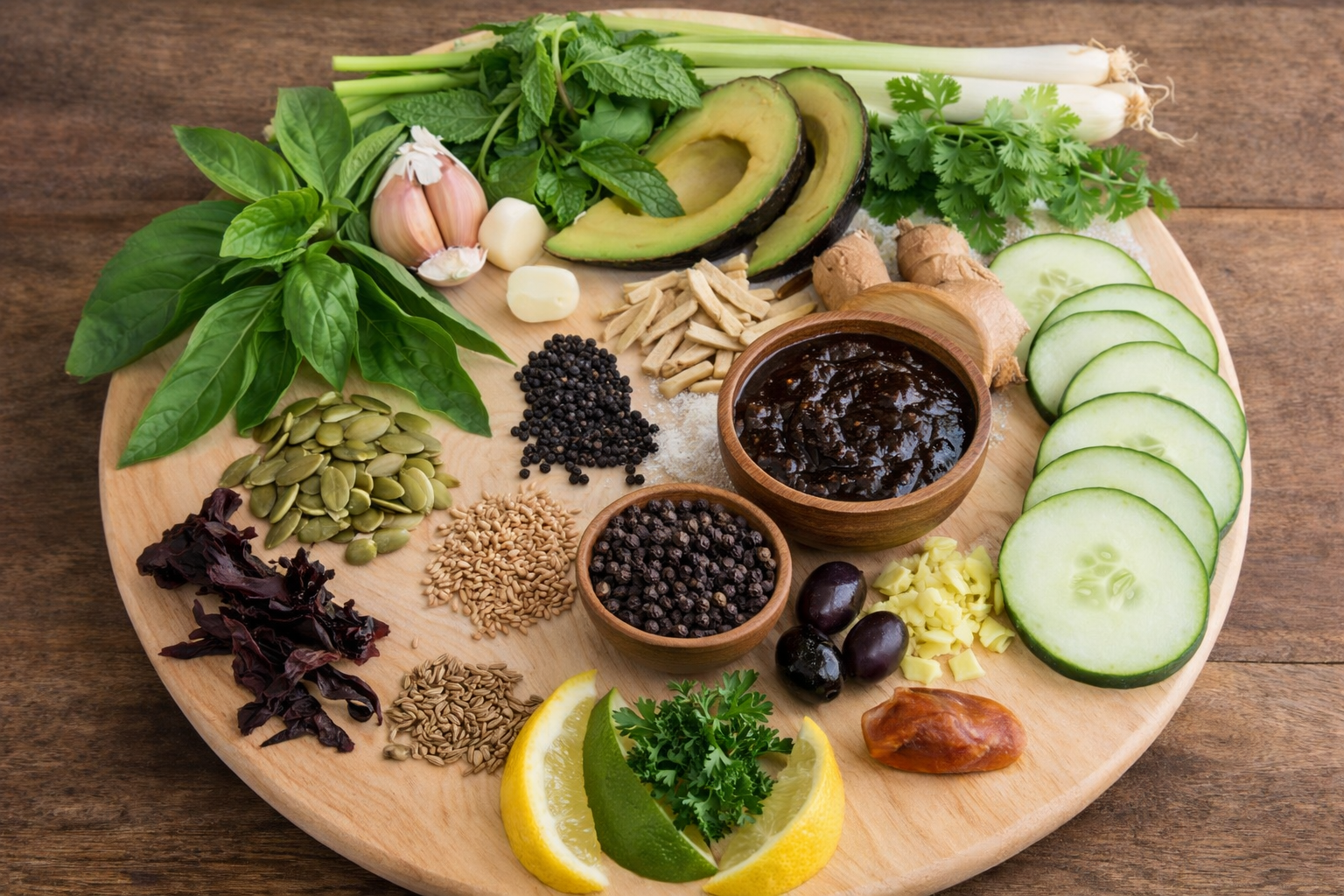
Recommended foods include:
- Warm cooked vegetables
- Whole grains such as rice and quinoa
- Healthy fats like ghee and sesame oil
- Herbal teas and digestive spices
Foods that may aggravate Vata imbalance include:
- Cold or processed foods
- Excess caffeine
- Dry foods lacking healthy oils
A balanced Ayurvedic diet supports tissue nourishment and helps reduce inflammation.
Lifestyle Habits That Support a Healthy Spine
Ayurveda places strong emphasis on daily habits and lifestyle practices for maintaining long-term health.
Healthy lifestyle practices for spinal health include:
- Maintaining proper posture while sitting and working
- Practicing yoga or stretching regularly
- Avoiding prolonged sitting
- Managing stress through meditation and breathing exercises
- Getting adequate sleep and rest
Small lifestyle changes can significantly improve spinal health and prevent chronic pain.
Why Many People Travel to India for Ayurvedic Spine Treatment
India is widely recognized as the birthplace of Ayurveda and remains one of the leading destinations for wellness tourism.
Kerala, in particular, is known for its authentic Ayurvedic treatment centers and specialized Panchakarma programs.
Wellness retreats in India provide immersive healing experiences that include:
- Ayurvedic medical consultations
- Personalized treatment programs
- Daily yoga and meditation sessions
- Ayurvedic diet plans
- Herbal medicines and lifestyle guidance
These retreats offer a peaceful environment where individuals can focus on healing and restoring balance in their bodies.
How Ayurooms Helps You Find the Right Wellness Retreat
Ayurooms is a curated wellness platform that helps travelers discover trusted Ayurvedic resorts and treatment centers across India.
Ayurooms evaluates wellness retreats based on several factors including:
- Doctor expertise and treatment authenticity
- Quality of therapies and facilities
- Guest experiences and reviews
- Healing environment and location
Based on your health goals and travel preferences, Ayurooms can recommend the most suitable wellness retreat for your Ayurvedic healing journey.
Final Thoughts
Spinal health plays a vital role in overall wellbeing and mobility. Chronic back pain and spinal disorders can significantly impact quality of life, but natural healing approaches such as Ayurveda and yoga offer effective ways to support spinal strength and flexibility.
Through detoxification therapies, herbal medicine, yoga practices, and lifestyle adjustments, Ayurveda provides a holistic framework for maintaining spinal health and restoring balance within the body.
For individuals seeking natural solutions for back pain and long-term wellness, Ayurvedic therapies and wellness retreats can provide valuable support in achieving better spinal health and overall vitality.
Join Us and Let’s Explore Together
Subscribe to our newsletter and be the first to access exclusive content and expert insights.
Comment or question?
Looking for a personalized wellness vacation? Leave a message below and we will get back to you within 24 hours.