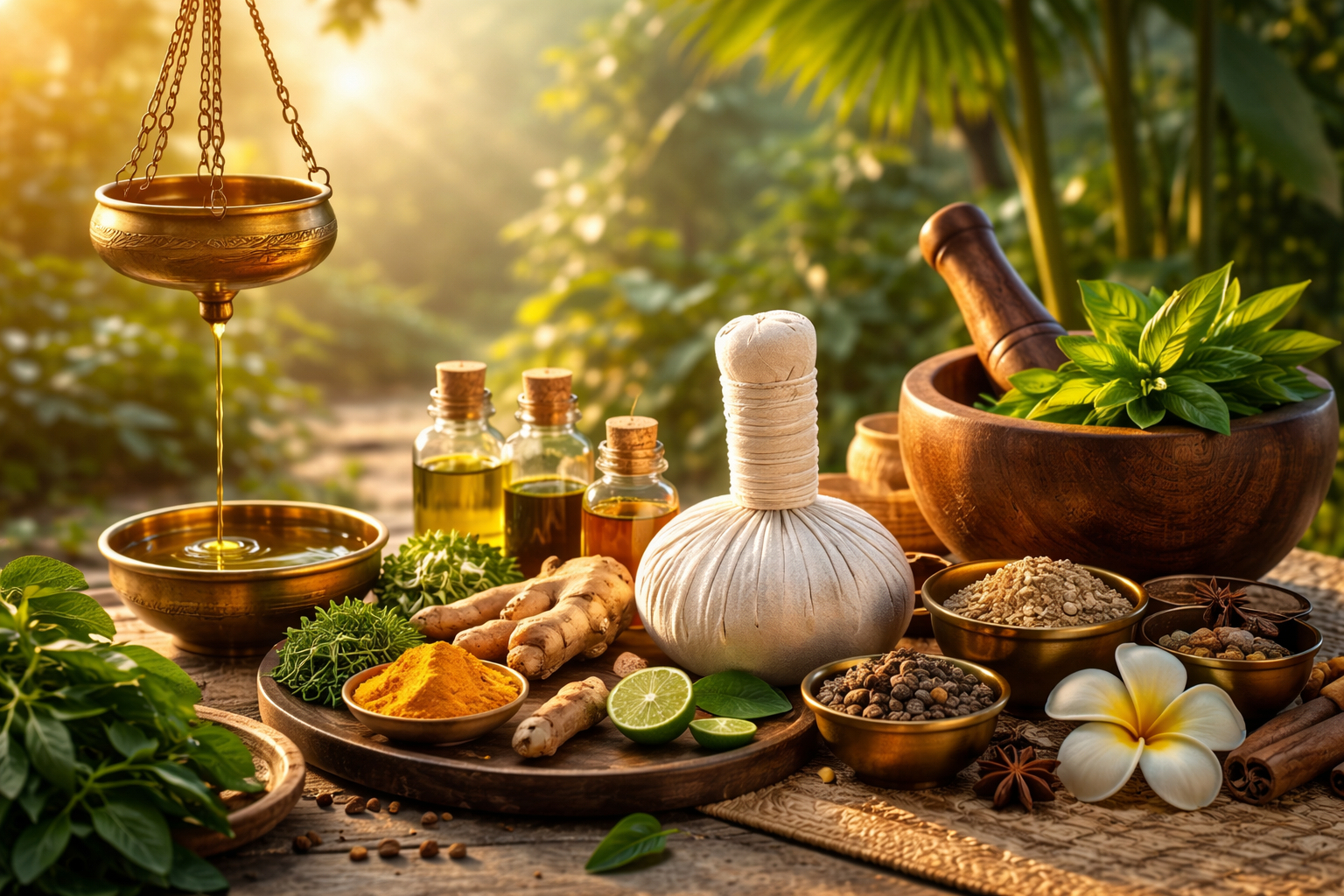
Ayurveda & Yoga for Multiple Sclerosis Treatment
Understanding Multiple Sclerosis
Multiple Sclerosis (MS) is a chronic neurological condition that affects the central nervous system, including the brain and spinal cord. The disease occurs when the immune system mistakenly attacks the protective covering of nerve fibers called the myelin sheath. When this protective layer becomes damaged, communication between the brain and the body becomes disrupted.

As the disease progresses, people living with multiple sclerosis may experience a wide range of symptoms. These symptoms vary significantly between individuals but often include fatigue, muscle weakness, coordination problems, nerve pain, and balance issues.
Common symptoms of multiple sclerosis include:
• Chronic fatigue
• Numbness or tingling in limbs
• Muscle stiffness or spasms
• Vision disturbances
• Difficulty with balance and coordination
• Cognitive or memory challenges
Conventional medical treatments focus on slowing disease progression and managing symptoms. However, many patients also explore complementary therapies that support overall neurological health and improve quality of life.
One of the most widely explored holistic systems for neurological conditions is Ayurveda, the traditional system of medicine originating in India.
Ayurvedic Perspective on Multiple Sclerosis
In Ayurveda, diseases affecting the nervous system are often associated with an imbalance of Vata dosha, the energy responsible for movement, nerve impulses, and communication within the body.
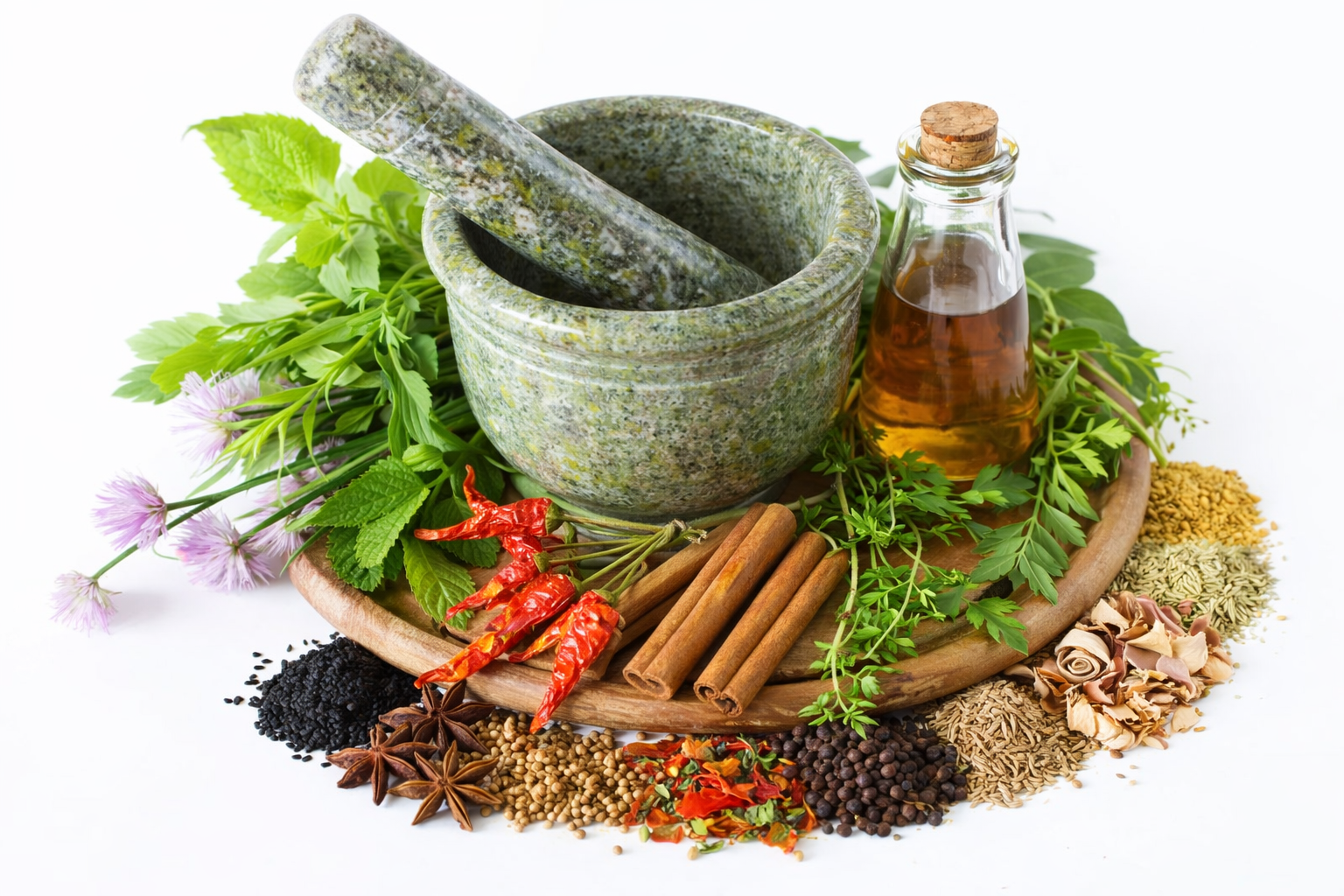
When Vata becomes aggravated due to stress, improper diet, toxins, or lifestyle imbalances, it may disrupt the normal functioning of the nervous system. Symptoms such as tremors, muscle weakness, fatigue, and neurological disturbances are often linked to this imbalance.
Ayurvedic treatment aims to restore balance through therapies designed to:
• Calm and balance Vata dosha
• Strengthen nerve tissues
• Improve circulation and nourishment of the nervous system
• Remove toxins from the body
• Support overall vitality and immunity
Instead of focusing solely on symptoms, Ayurveda emphasizes restoring balance within the entire body system.
Panchakarma Detox for Multiple Sclerosis
Panchakarma therapy is considered one of the most important healing approaches in Ayurvedic medicine for neurological disorders, including multiple sclerosis (MS). Ayurveda focuses on restoring balance within the body rather than only managing symptoms, and Panchakarma plays a central role in this holistic healing process.

Panchakarma is a traditional Ayurvedic detoxification and rejuvenation program designed to remove toxins from the body while restoring balance between the three primary doshas — Vata, Pitta, and Kapha. According to Ayurvedic principles, the accumulation of toxins (known as Ama) and imbalances in these doshas can disrupt the normal functioning of the body’s systems, including the nervous system.
For individuals living with multiple sclerosis, Panchakarma therapy can help calm the nervous system, improve circulation, nourish nerve tissues, and support the body's natural healing mechanisms.
In Ayurveda, many neurological conditions are associated with an aggravation of Vata dosha, which governs movement, nerve impulses, and communication throughout the body. When Vata becomes imbalanced, it may contribute to symptoms such as fatigue, muscle stiffness, tremors, weakness, and coordination difficulties.
Panchakarma therapy helps restore balance by removing toxins, improving digestion and metabolism, and strengthening the body’s internal systems.
Most Panchakarma treatment programs for neurological conditions typically last between 14 and 28 days, although the duration can vary depending on the patient’s health condition, symptoms, and wellness goals. During this time, patients undergo a series of carefully supervised therapies performed by trained Ayurvedic practitioners.
A Panchakarma program usually combines several therapeutic procedures that work together to detoxify the body and support long-term healing.
Abhyanga (Ayurvedic Oil Massage)
Abhyanga is one of the most widely practiced therapies in Ayurvedic medicine and is often included as a core component of Panchakarma detox programs.
This therapy involves a full-body massage using warm herbal oils that are carefully selected based on the patient’s dosha balance. The massage is performed using rhythmic and synchronized movements that allow the oils to penetrate deep into the tissues.

For individuals with neurological conditions such as multiple sclerosis, Abhyanga therapy helps calm aggravated Vata dosha and supports the health of the nervous system.
The benefits of Abhyanga therapy may include:
- Reduced muscle stiffness and spasms
- Improved blood circulation
- Increased flexibility and joint mobility
- Relaxation of the nervous system
- Better lymphatic drainage and detoxification
The warmth of the herbal oils combined with gentle massage techniques helps relax muscles and stimulate energy pathways within the body, allowing nutrients and oxygen to reach tissues more effectively.
Shirodhara Therapy
Shirodhara is one of the most recognized and deeply relaxing therapies used in Ayurvedic treatment programs.
During Shirodhara therapy, warm herbal oil is poured continuously in a steady stream across the forehead, particularly over the region associated with mental clarity and relaxation.
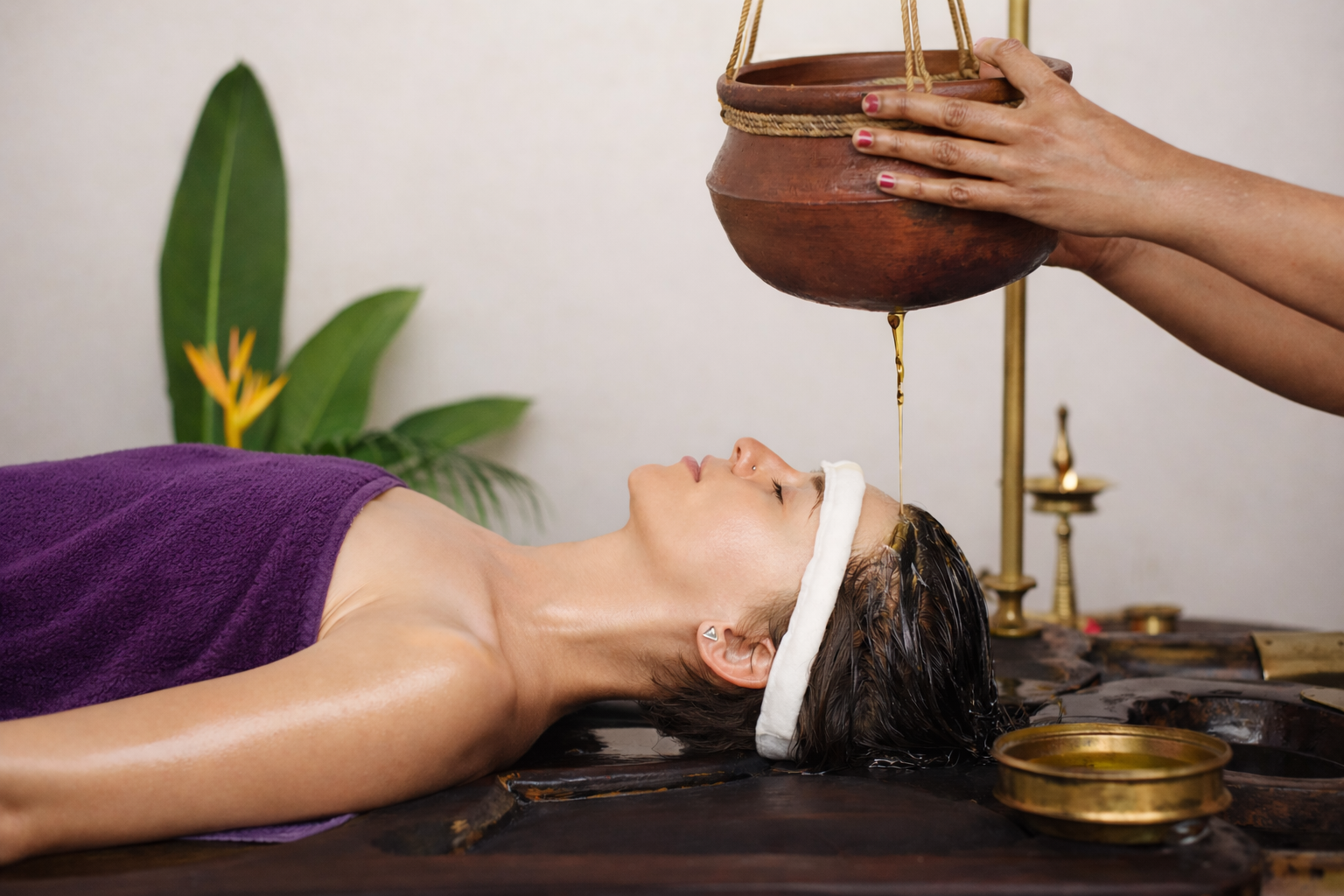
This therapy is known for its ability to calm the mind and nervous system. The gentle and rhythmic flow of oil helps activate the body’s relaxation response, allowing patients to experience deep mental and physical calm.
For individuals living with multiple sclerosis, Shirodhara therapy may help:
- Reduce anxiety and mental stress
- Improve sleep quality
- Promote mental clarity and focus
- Calm an overactive nervous system
- Support emotional balance
Many patients describe Shirodhara as one of the most soothing and restorative therapies within the Panchakarma detox process.
Swedana (Herbal Steam Therapy)
Swedana, also known as Ayurvedic herbal steam therapy, is often performed after Abhyanga massage.

During this therapy, the body is exposed to warm herbal steam in a specially designed steam chamber or therapy box. The steam helps open the body’s channels and encourages sweating, which assists in eliminating toxins that have been loosened during oil massage therapy.
Swedana therapy may provide several benefits, including:
- Detoxification through natural sweating
- Relaxation of muscles and joints
- Improved blood circulation
- Reduced stiffness and muscle tension
- Enhanced absorption of therapeutic oils
For people living with multiple sclerosis, Swedana therapy can help relieve muscle tightness and promote overall relaxation.
Basti Therapy
Basti therapy is considered one of the most powerful treatments in Ayurveda for Vata-related disorders, including neurological conditions.

This therapy involves the administration of medicated herbal oils or herbal decoctions through specialized enemas. In Ayurvedic philosophy, the colon is regarded as the primary seat of Vata dosha, which is why treatments targeting this area are believed to have a significant effect on nervous system balance.
Basti therapy helps deliver medicinal herbs directly to deeper tissues while restoring balance within the body.
For patients with multiple sclerosis, Basti therapy may support:
- Balancing aggravated Vata dosha
- Nourishing nerve tissues
- Improving digestion and metabolism
- Reducing dryness and stiffness in the body
- Supporting long-term neurological health
Due to its strong effect on Vata balance, Basti therapy is often considered one of the most effective Ayurvedic treatments for nervous system disorders.
Benefits of Ayurvedic Therapy for Multiple Sclerosis
While Ayurveda is not considered a cure for multiple sclerosis, many individuals report noticeable improvements in their wellbeing when undergoing Ayurvedic treatment programs.
Some potential benefits of Ayurvedic therapy may include:
- Reduced muscle stiffness and spasms
- Improved mobility and flexibility
- Better sleep quality
- Reduced fatigue and weakness
- Improved digestion and metabolism
- Reduced stress and anxiety
Because Ayurveda addresses both physical and mental aspects of health, it is often used as a complementary therapy alongside conventional medical care.
The Role of Yoga Therapy in Multiple Sclerosis
Yoga therapy is frequently recommended as part of a holistic treatment plan for multiple sclerosis.
Gentle yoga practices help improve flexibility, strengthen muscles, and promote relaxation without placing excessive strain on the body.
For individuals living with multiple sclerosis, regular yoga practice may help:
- Improve balance and coordination
- Increase flexibility and mobility
- Reduce muscle stiffness and tension
- Improve breathing and circulation
- Support emotional wellbeing
Yoga therapy programs designed for MS patients typically focus on gentle movements and relaxation techniques rather than physically demanding exercises.
Pranayama (Breathing Techniques)
Pranayama refers to controlled breathing practices that help regulate the nervous system.

Breathing exercises improve oxygen flow throughout the body and support better respiratory function. For individuals with neurological conditions, pranayama can help calm the nervous system and promote relaxation.
Regular breathing exercises may help:
- Improve oxygen circulation
- Reduce stress and anxiety
- Support lung function
- Increase energy levels
- Enhance mental clarity
Practices such as deep breathing and alternate nostril breathing are often recommended in yoga therapy programs.
Gentle Yoga Postures
Gentle yoga postures help strengthen muscles and improve flexibility without placing strain on the body.
These therapeutic movements are adapted to suit the physical ability and comfort level of each individual.
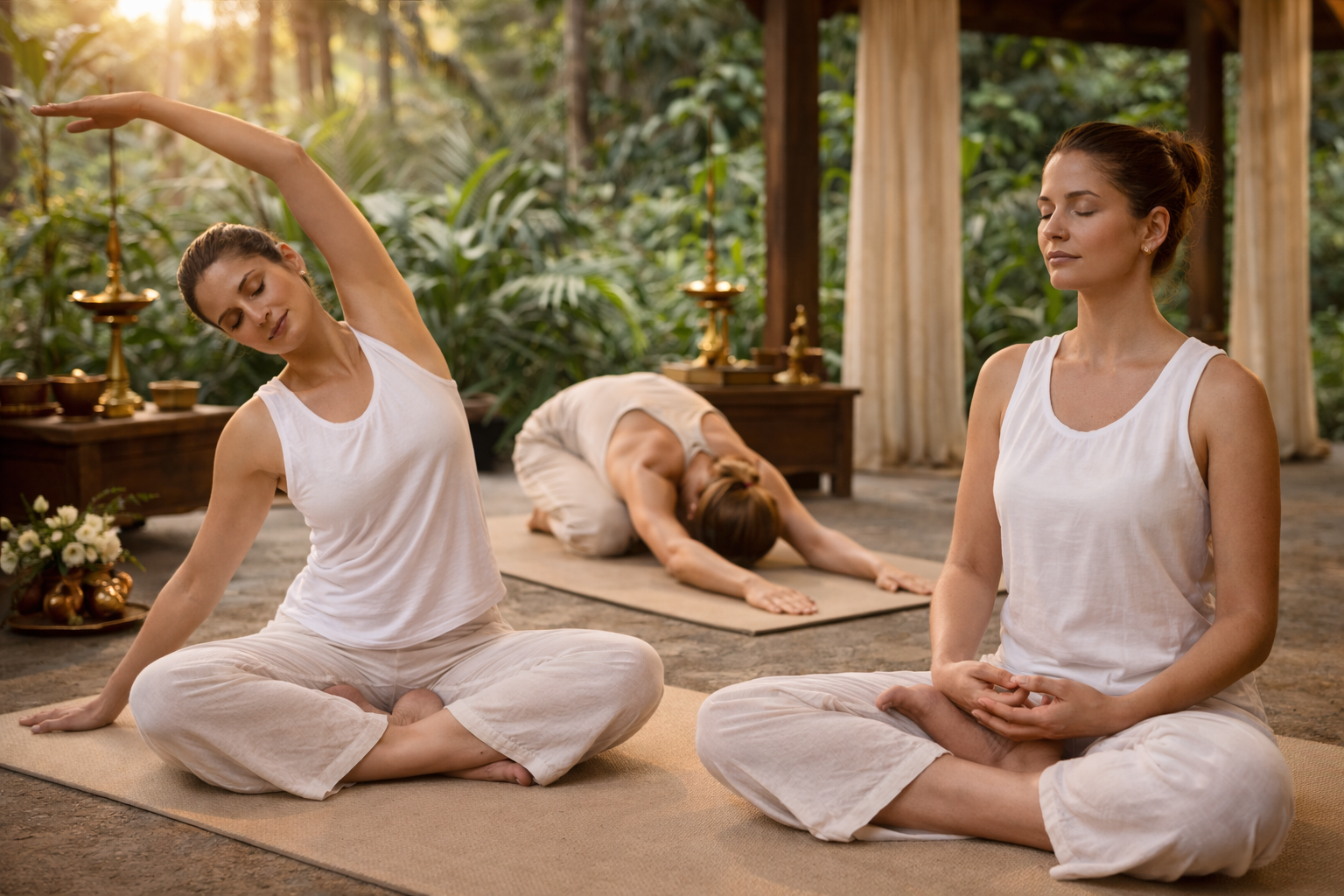
Benefits of gentle yoga practice may include:
- Improved joint mobility
- Better muscle strength
- Enhanced balance and coordination
- Reduced muscle tension
- Improved posture and body awareness
These slow and mindful movements help individuals remain active while supporting overall physical stability.
Meditation and Relaxation
Meditation and relaxation practices play an important role in managing chronic health conditions.
Stress and emotional tension can negatively affect the immune system and nervous system, which is why relaxation techniques are often included in holistic treatment programs.
Meditation may help:
- Reduce anxiety and stress
- Improve emotional wellbeing
- Promote better sleep
- Enhance mental clarity
- Encourage inner calm and stability
Practices such as mindfulness meditation and guided relaxation are commonly used in wellness programs.
Ayurvedic Diet and Lifestyle for Multiple Sclerosis
Diet and lifestyle are essential components of Ayurvedic healing.
Individuals undergoing Ayurvedic treatment for neurological conditions are often advised to follow a Vata-balancing diet that focuses on warm, nourishing, and easily digestible foods.

Typical dietary recommendations may include:
- Warm cooked vegetables
- Whole grains and nourishing meals
- Healthy fats such as ghee and sesame oil
- Herbal teas and digestive spices
Cold foods, highly processed foods, and excessive stimulants are generally minimized because they may aggravate Vata imbalance.
Healthy lifestyle habits such as adequate sleep, stress management, meditation, and gentle physical activity are also encouraged to support long-term health.
Why Many Patients Travel to India for Ayurvedic Treatment
India has become one of the world’s leading destinations for Ayurvedic wellness tourism.
Kerala, in particular, is known for its long tradition of Ayurveda and its specialized Panchakarma treatment centers. Many wellness retreats in India offer structured programs designed to support healing and recovery.
These programs often include:
- Ayurvedic consultations with experienced doctors
- Personalized Panchakarma detox therapies
- Daily yoga and meditation sessions
- Ayurvedic diet plans
- Herbal medicines and lifestyle guidance
These immersive environments allow patients to focus fully on healing while experiencing traditional Ayurvedic therapies in their most authentic form.
Choosing the Right Ayurvedic Wellness Retreat
Not all wellness resorts offer the same level of Ayurvedic treatment, so selecting the right center is an important step.
When choosing a retreat for neurological conditions like multiple sclerosis, several factors should be considered, including:
- Doctor experience and medical supervision
- Duration and intensity of treatment programs
- Quality of Panchakarma facilities
- Peaceful healing environment
- Accommodation comfort and support services
Some retreats focus mainly on relaxation and spa experiences, while others specialize in intensive Ayurvedic medical therapies.
Choosing the right center can significantly influence the overall treatment experience and outcomes.
How Ayurooms Can Help
Ayurooms is a curated wellness platform designed to help travelers discover trusted Ayurvedic resorts and treatment centers across India.
Our wellness consultants evaluate retreats based on several important factors, including:
- Doctor expertise and treatment authenticity
- Quality of therapies and facilities
- Guest experiences and feedback
- Healing environment and location
Based on your health goals and travel preferences, Ayurooms helps recommend the most suitable wellness retreat for your Ayurvedic healing journey.
Final Thoughts
Multiple sclerosis is a complex neurological condition that requires a personalized approach to care.
While conventional medical treatment remains essential, many individuals explore complementary therapies such as Ayurveda and yoga therapy to support their overall wellbeing.
Through detoxification therapies, herbal medicine, therapeutic yoga, and lifestyle adjustments, Ayurveda offers a holistic approach focused on restoring balance within the body and strengthening the nervous system.
For individuals considering Ayurvedic treatment for multiple sclerosis, consulting experienced practitioners and choosing the right wellness retreat are important steps toward achieving the best possible results.
Join Us and Let’s Explore Together
Subscribe to our newsletter and be the first to access exclusive content and expert insights.
Comment or question?
Looking for a personalized wellness vacation? Leave a message below and we will get back to you within 24 hours.